Books, Games, Wrestling Vol. 11 – The Hands of the King

I pretty much know what my game, book, and wrestling match of the year are as far as number ones, it’s everything else underneath I’m not sure of. I’m working on an article/review for GeeklyInc.com on what I think is my favorite book of the year. The part of the end of the year, even though I only do this for fun, that I have a tough time balancing is finishing the last releases I haven’t finished yet, finding time and space for writing, and getting ready for the Holidays. Hence why I mentioned wanting to make more use of the library in previous volumes.

Books and Video Games – The Lord of the Rings and Metaphor ReFantazio

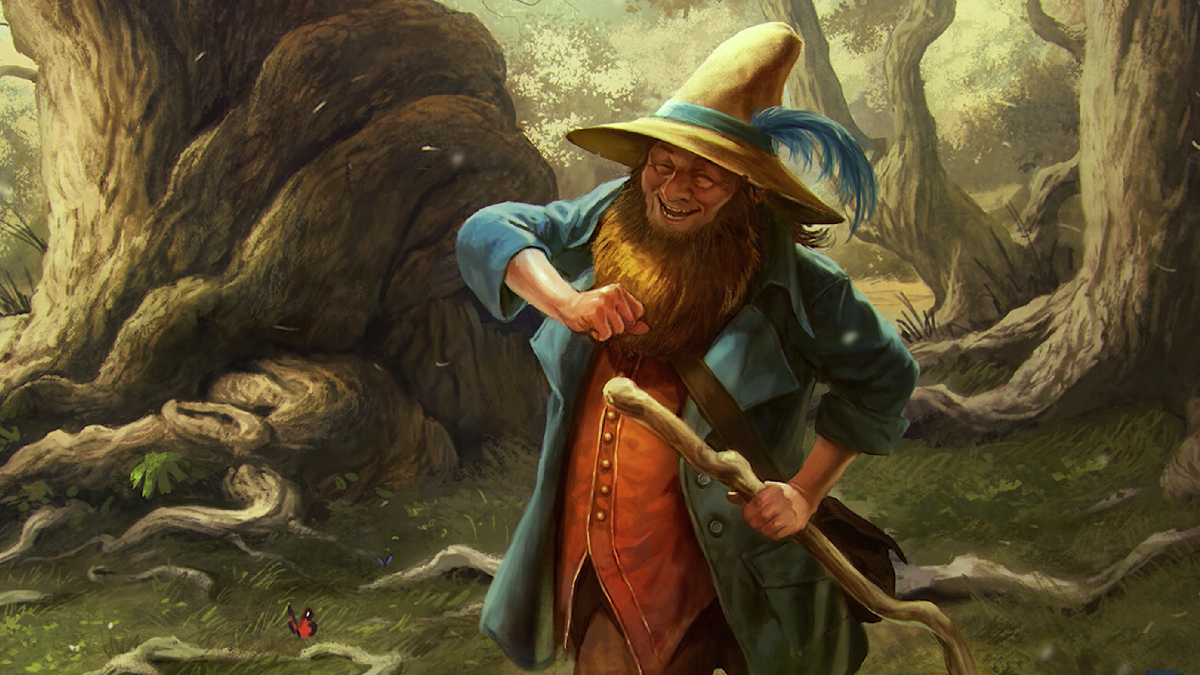
You might not know this, but the date the Fellowship of the Ring leaves Rivendell on the quest to destroy the ring is December 25th. Therefore, I tend to associate at least the first book of The Lord of the Rings with the beginning of November to the end of December season. It has been a while since I’ve read through this book, probably since 2017-2018. It’s one of the few books I insist on reading a physical copy despite owning it digitally in multiple places. I’ve read it all the way through six times, so I wonder if this time away, I’ll observe something new from it. I will say, to anyone reading it for the first time I think you can skip the Concerning Hobbits prologue chapter until at least finishing The Fellowship of the Ring. As much as I love it, it does feel like it slows down the pace immediately.

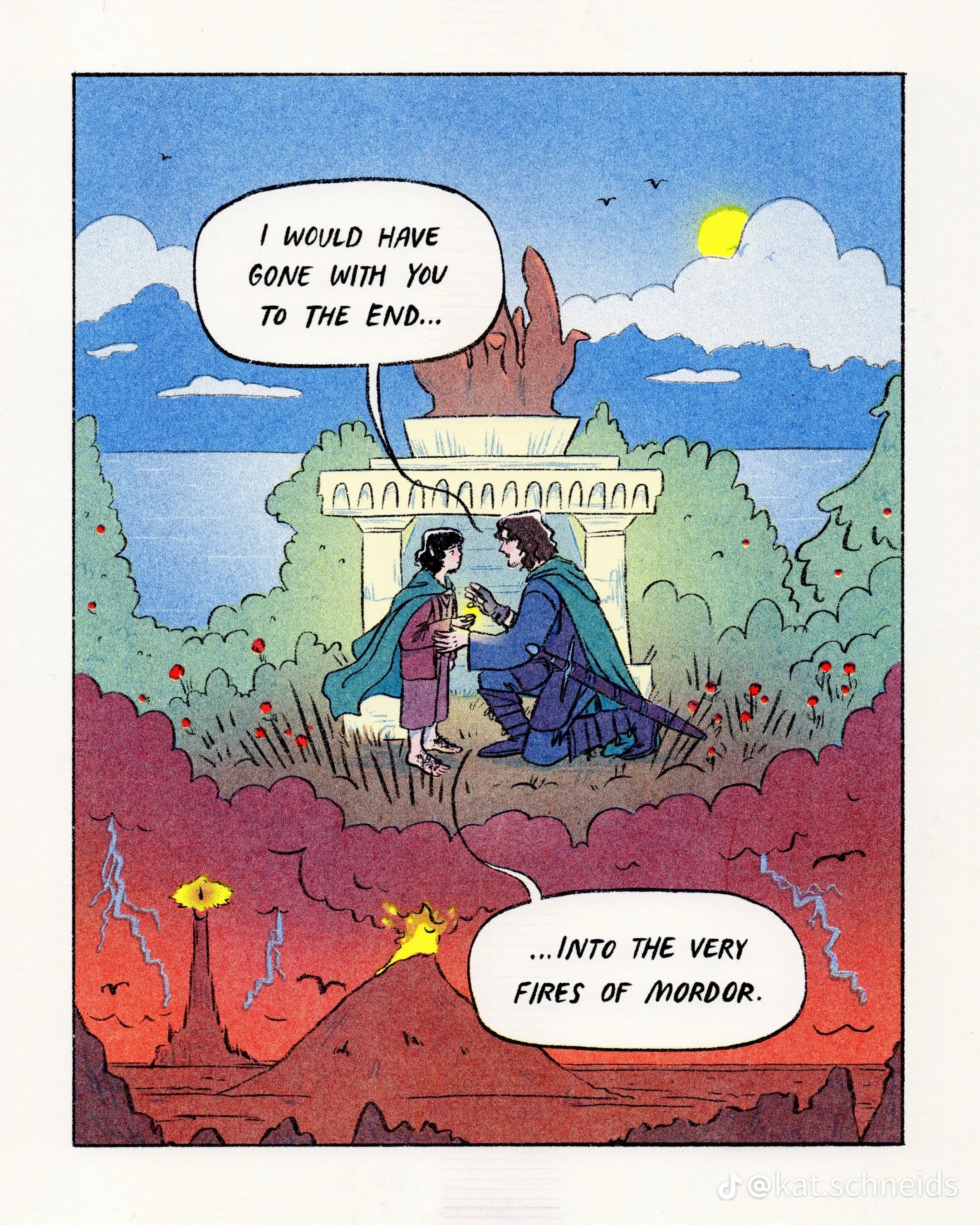
On my mind is the connection between finishing Blood for the Undying Throne, rereading The Lord of the Rings, and replaying Metaphor ReFantazio in the form of a quote from Tolkien’s book itself, “The hands of the king are the hands of the healer.” In College, with my thesis advisor, we’d discuss the connection between William Shakespeare’s Macbeth and J.R.R. Tolkien’s The Lord of the Rings, and how the kings, such as Macbeth, The Witch-King of Angmar, and Aragorn, affect the land positively and negatively. This obviously has biblical roots, which I am no expert on, so I won’t delve into it, nor the real political implications that monarchies believing themselves to be divine have had on our history. This is more the exploitation of the idea of the king in terms of mythology and fantasy. Major Metaphor ReFantazio endgame spoilers ahead.

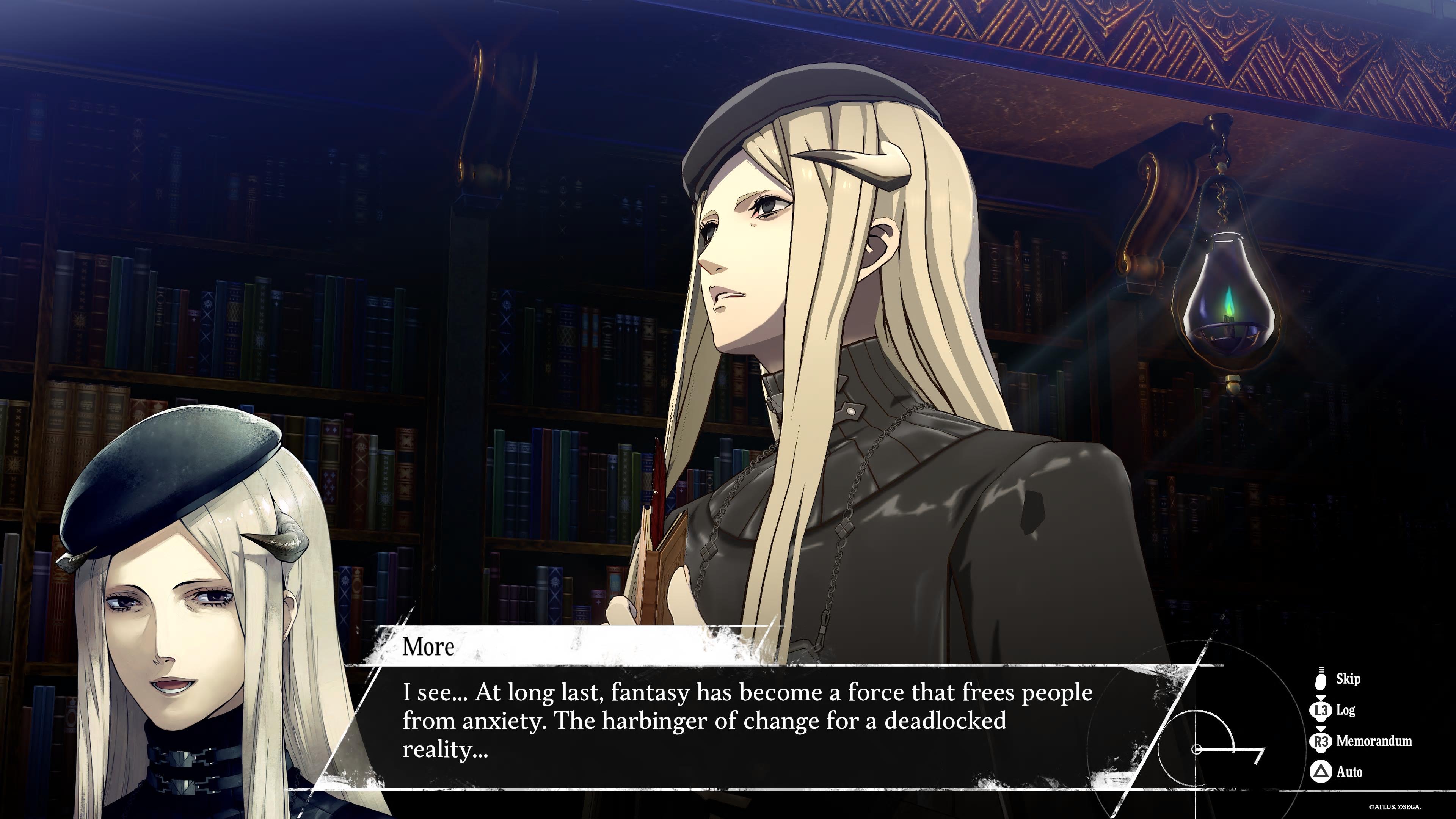
In Metaphor, the king dies, and a contest is held to determine who will be the next king. In the game, there is a connection between the king, magic, anxiety, and the “humans,” who are abominations in the game based on artwork by Hieronymus Bosch. The magic that Euchornia has turned into an industry, called magla, turns out, towards the end of the game is revealed to be the physical manifestation of anxiety. If a person succumbs to their own anxiety, magla can actually turn them into a human. Louis, the main antagonist, wants to do this to everyone, and whoever can survive, aka overcome their anxieties, will be part of the new world with him as king. The protagonist you play ends up being the other character vying for the throne to improve the inequality in Euchronia. It’s all a cycle; you and the main character are trying to break it as there are multiple tribes of humanoids, and they don’t all get along. The game surmises the prejudice the different tribes feel towards each other is rooted in anxiety, thus creating more magla, thus creating more opportunity for people to turn into humans.

The death of the previous king and the absence of a replacement will lead to increased anxiety and tension between the tribes, thereby increasing the likelihood that people will succumb to their anxiety and transform into a human. Therefore, the protagonist becoming king will heal the land by healing the people’s anxieties. If the main character makes the serious changes in society the party and he intends to throughout the game as they meet more people and make more connections, this will ease the anxiety of the people. The connection between you and the protagonist is through the royal magic the previous king had cast, which is revealed at the end of the game, connecting you to the protagonist to guide them. Therefore, it is you, the player, who is also the king with the hands of a healer who heals the land by easing the anxiety of its people, including the main character you play and his party. This and many other reasons are why Metaphor ReFantazio was my game of 2024.

Wrestling – Blood and Guts 2025

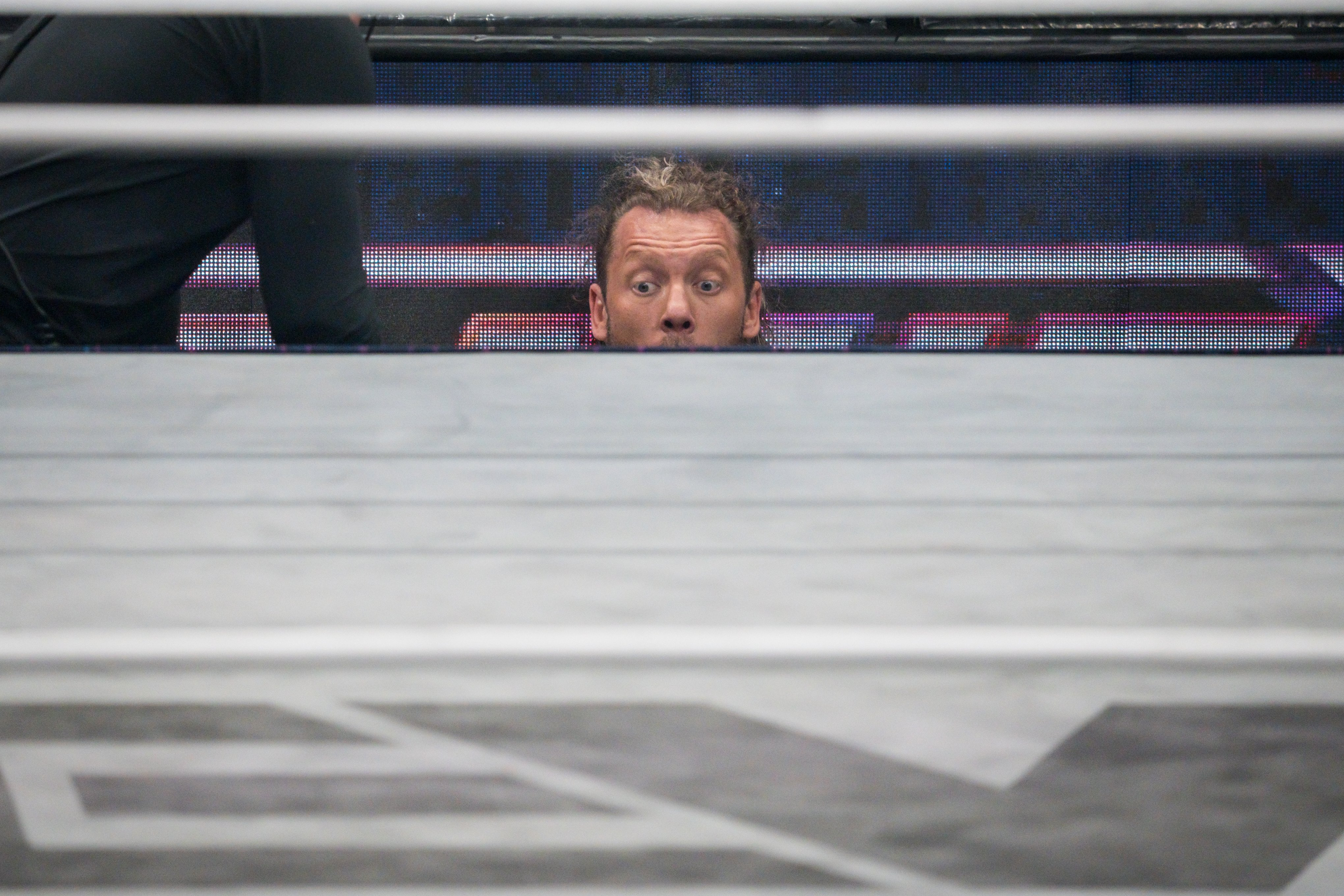
Straight off the bat, while Blood and Guts is my preferred War Games style match, it has never been my favorite match stipulation. The need to do it every year doesn’t help at all, either, though I know it tends to be a ticket mover. With two different Blood and Guts this year, a Men’s and Women’s, they were always going to be compared, and while the Men’s Blood and Guts was good, the Women’s blew it out of the water.

It comes down to urgency and hatred. The participants in the Women’s B&G showed they had an urgent desire to get their hands on each other with real hatred. The build to this Blood and Guts was odd, but it had the roots of several feuds, giving it heightened tension. Like a spider-web, there is a line of connection each team member had with the other team throughout the year, and continuing past Blood and Guts into the Women’s World Tag Team Championship Tournament. I think AEW did its due diligence towards the event with matches between the two sides, but it definitely needed some more time and promos. Can Jamie trust Toni Storm, given their history? Have Willow and Kris buried the hatchet with the help of Harley Cameron? How did they talk Mercedes into joining the team? Questions that should have been asked and answered but it did not affect the quality of the match.

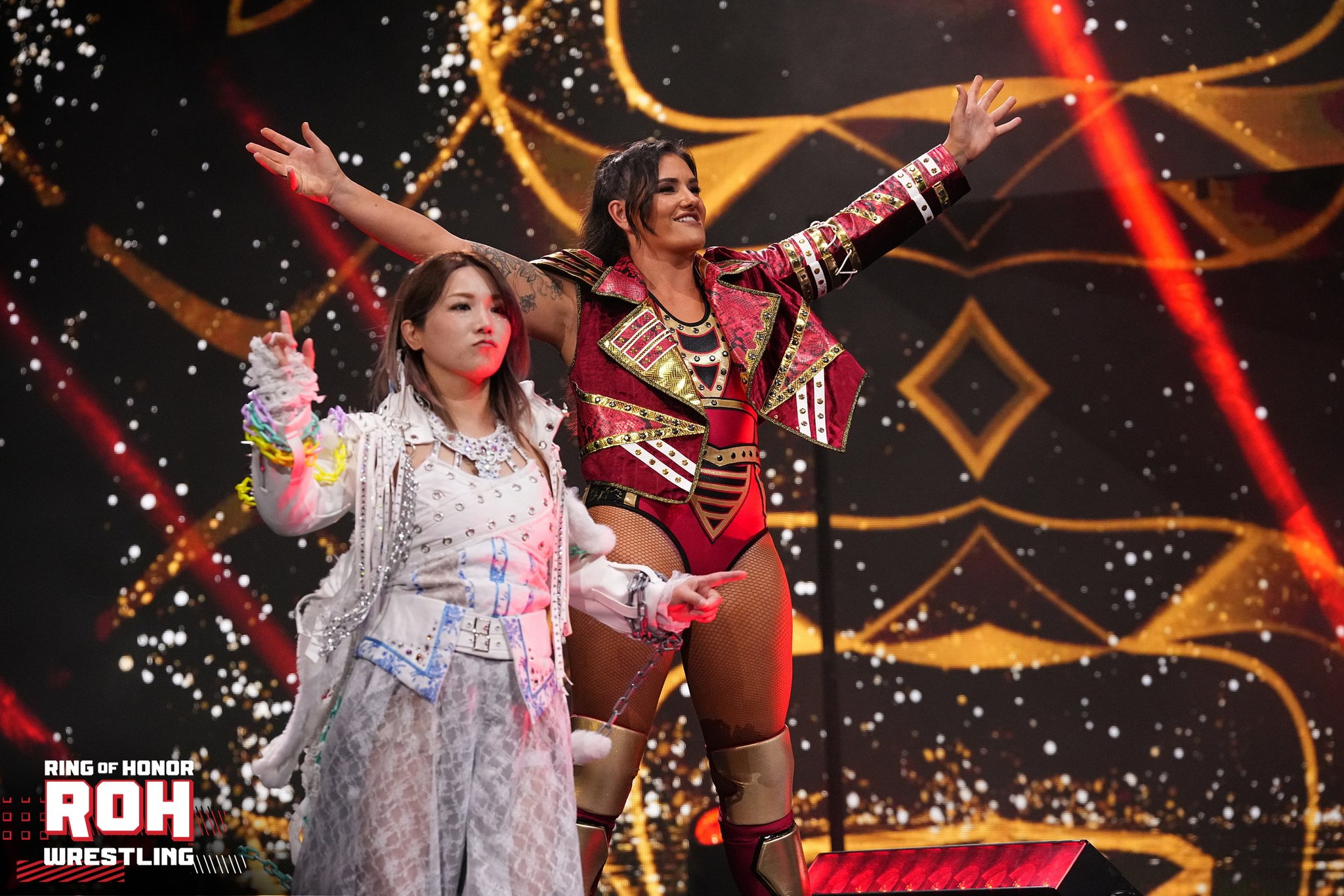
It had proper violence between Kris and Mercedes. It shortly ended at Willow and Kris communicating before the heels ruined it. Harley Cameron got to display both her silliness with the Mercedes puppet and equal violence in the match. Marina Shafir, whose wrestling matches I have never been impressed with, absolutely showed out. The key to all this is the speed at which they did this. A lot of these Blood and Guts matches have moments where they stall the action to set up a spot, but this one didn’t feel like that at all to me. The ending I thought was the best heel ending to a Blood and Guts yet, with the heel team forcing a lot of the big guns out of the cage and the Triangle of Madness forcing Toni Storm to surrender to save Mina Shirakawa. This will surely come up again in the tag team tournament.

For the Men’s Blood and Guts, all I have to say is never sleep on Kyle O’Reilly again. I will say, though, I think I loved the Hangman Page vs. Powerhouse Hobbs Fall Count Anywhere match better than either of these two Blood and Guts matches, and am of the belief Hobbs should have been Hangman’s Full Gear opponent instead of Samoa Joe, but I think I’m in the minority on this.

Books, Games, Wrestling Vol. 10 – A Touching Reunion

It’s November, and to be honest, I’m terrible at doing end-of-the-year writing, but this year I’m determined to do some posts on here and GeeklyInc.com in the “…of the Year” variety. There are only eight weeks left of the year, but I’m not against talking about the best or favorites of 2025 into the first weeks of 2026. Wrestling is the easiest to talk about because most of my matches of the year have already happened, but with the Continental Classic, one Ring of Honor PPV, and two AEW PPVs I don’t want to write off the potential of those shows. I don’t think anything will top my number one book, game, or wrestling match of the year, but it’s everything underneath that is up for grabs.

Wrestling – Random AEW Musings

I don’t have one particular topic in mind, but I do have some thoughts. Between All Out and now, AEW has been relatively good to very good. I’m enjoying myself even if I have some criticism of the booking here and there. For example, and keep in mind this is someone who relatively enjoys the C-show that is Tony Khan’s Ring of Honor TV, but there is no reason for Yuka Sakazaki to be wrestling on ROH and not be appearing in AEW, especially with her new presentation and music. As a big fan of hers, at first I was just happy to see her back from injury and wrestling regularly, but her team-ups with Alex Windsor have been good enough that I am left scratching my head as to why they’re not on AEW TV or having Yuka in singles matches on Dynamite or Collision. I am hoping they’re just spinning their wheels with them before having them on TV, since Women’s Tag Championships will need contenders.

I miss Will Ospreay and Swerve Strickland, but Bandido has been filling that void they have left for me. It’s between Hangman and him, for me personally, for wrestler of the year, but I must admit I have been watching far less of other companies this year than in previous years. It’s one of my goals for next year to watch more CMLL, Stardom, and TJPW. Perhaps some NJPW as well, but it has not been hitting for me much this year except for Goto’s tite reign and Konosuke Takeshita.

Games – From Xbox 360 to PlayStation 4

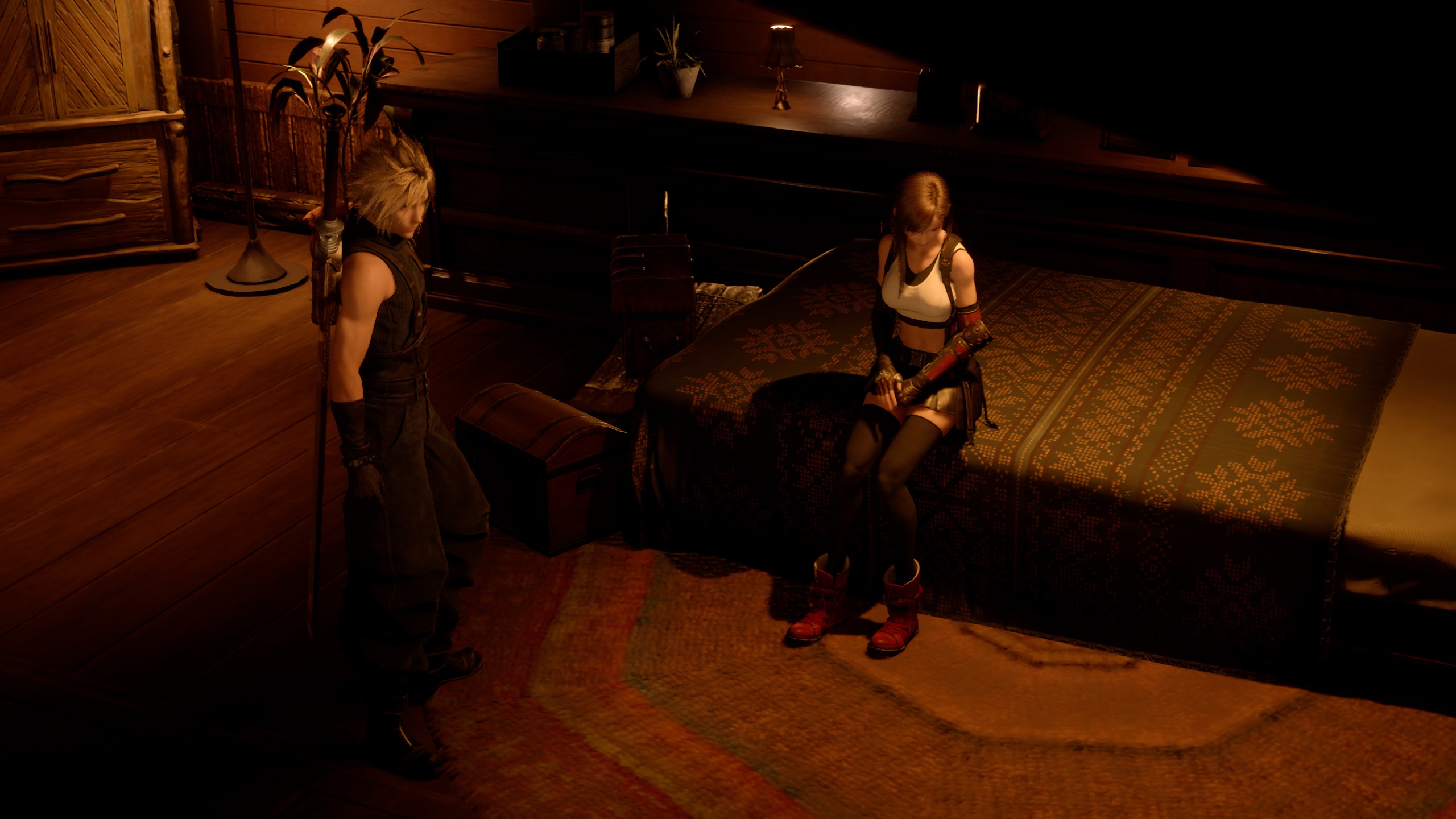
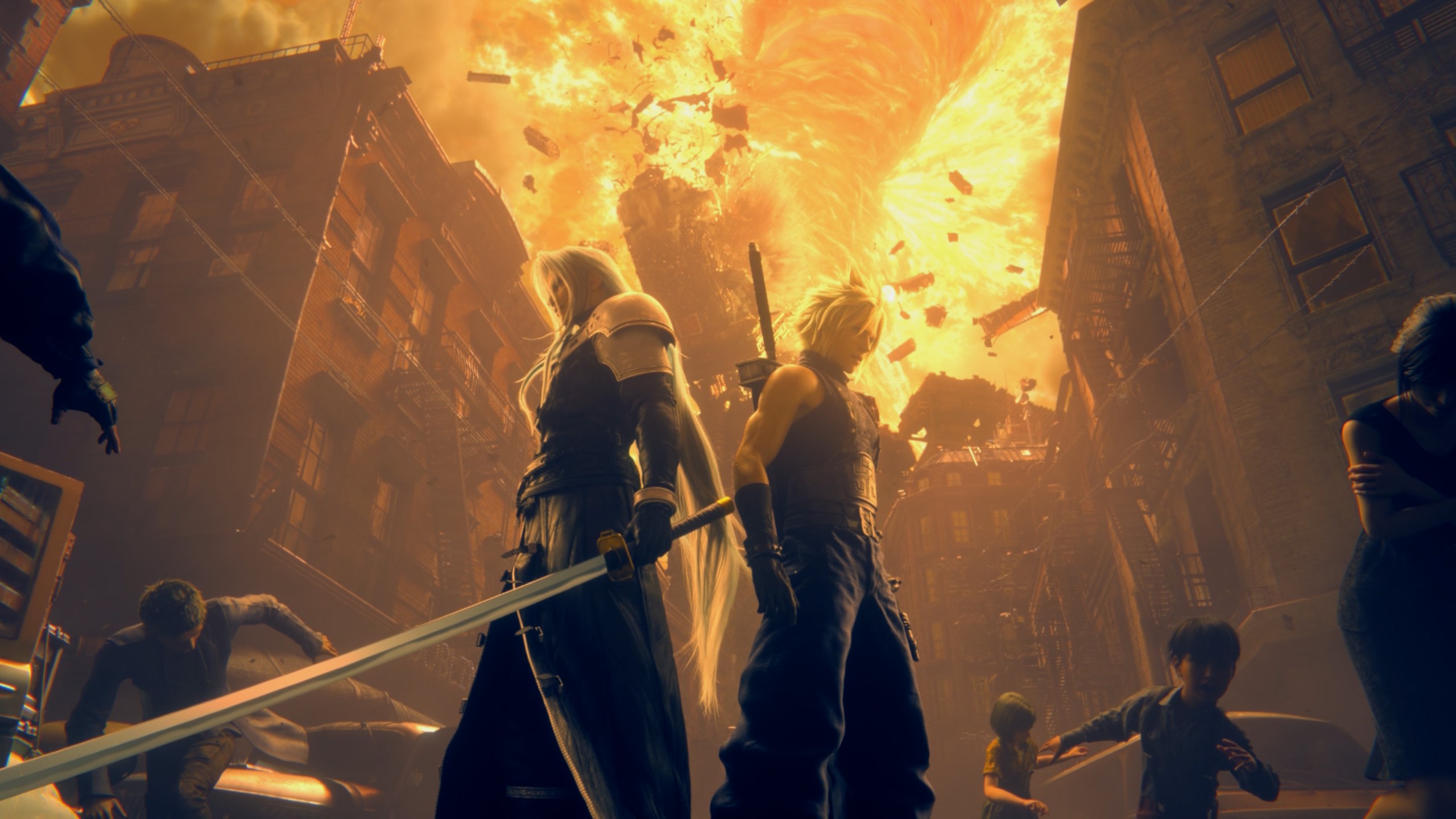
If you’ve read enough of these entries and came back with the thought “Josh might have undiagnosed ADHD,” I would probably agree with you because I went from a theme of Xbox 360 games to PlayStation 4 games as I was sucked into God of War (2018) full throttle to the point that I beat every Valkyrie and completed the game. That somehow transitioned to me diving deep into another of my personal PS4 mainstays, Final Fantasy 7 Remake, which I played to completion, but I find the having to choose different options in Chapter 9 to unlock different quests to complete every side quest in the game so tedious that I attempted it once, got annoyed, closed the game, and uninstalled. Completing both has left me excited to start God of War: Ragnarok and Final Fantasy 7 Rebirth on my new, fancy PC, but I might play more Silksong first, as well as replay Metaphor ReFantazio on PC, which I previously played on PS5.

Lastly, I’ve been delving briefly here and there into some DS Pokémon games such as SoulSilver, Platinum, and Black, with the latter being the first time I’ve ever played that generation. I think the release of Z-A and every gaming podcast discussing it to different degrees led me to have Pokémon on my mind.

While I was editing this, and since I’ve been playing Platinum, I was reminded that Piplup might be top five favorite Pokémon ever, and the YouTube algorithm decided to remind me of this.

Books – In Between Books

I am at the moment in between books, having finished both Blood for the Undying Throne by Sung-il, Born of an Iron Storm by Anthony Ryan, and a rereading of The Incandescent by Emily Tesh. To be honest, I’m not exactly sure what I am going to read next, but I’ve definitely felt the pull of reading this autumn that I did not feel in the summer. It has been a while since I have reread The Lord of the Rings, which used to be an annual event before I started expanding my fantasy library, and there has been this illustrated edition that came out a few years ago that has been sitting on my shelf waiting to be read.

I also have some advanced reader copies for next year that maybe I should get the jump on, but I am unsure and would not be able to talk about them here, making this section very short and boring. We’ll see. The podcast will be reading Network Effect, the fifth Murderbot Diaries book, soon, which is the full-blown novel of the series rather than a novella. It is my favorite book in the series. Murderbot has to go off planet with Dr. Mensah’s teenage daughter, and hijinx ensue that force it to bond with a teenage girl on a deserted space station. It feels like a culmination of the first four novellas and the starting point of the rest of the series.

What’s So Exciting About Book Adaptations?

Patrick Rothfuss’s “The Kingkiller Chronicle” was recently optioned by Lionsgate for not just a movie, not just a TV, and not just a video game but all three. This has caused a stir amongst fans of the book all across the social media landscape while people who’ve never read the books are shrugging as they read this.

Put your favorite book in place of “The Name of the Wind” and imagine how you would feel. Are you excited? Finally, that book you fell in love with is going to be a movie, a television show, and a video game. It’s exciting news! Why though?
The readers who make up a fandom around a certain series have become savvy to how books become movies, TV shows, and video games. We’ve also seen how those adaptations can disappoint. I’ve written extensively on why our expectations for adaptations can be harmful, often expecting too much or maybe too hard to it without understand how these adaptations are made.
I don’t stand alone with the knowledge of the arduous process of making these projects nor have I entirely kept my Sword of Adaptation Criticism sheathed in regards to the last two seasons of “Game of Thrones.” The news of Patrick Rothfuss’ deal did beg the question, once my own excitement died down, why do we get so excited for news about adaptations in the first place?

The reality is: Do you have a favorite character? There’s a chance he or she may be cut from the script. Do you have a scene that cry every time you read it? Or feeling a swelling in your chest when that satisfying moment comes on the next page? It might not make it in there at all. That line from the book you quote all the time? It might be said by a completely different character because the one that originally said it was cut and now one word of it was changed so it’s just a little bit off from the original. That line though is of course everyone favorite who has seen the movie / show so you have to hear it said wrong all the time and attributed to someone completely different. Lucky you! That subplot you thought really developed the protagonist, the one that really got into his head, well there’s no time for that anymore.

These are just some of the pitfalls of adaptations. It’s not like the author can write the scripts, pick the casts (though sometimes they have a hand in that), designs the settings, costumes, and props. He or she is too busy writing their next book. Even if the author took the first crack at the screenplay there could be three others who rewrite next, and all of them have their own perspective on the series.

Just look what happened with the screenplay adaptations of the Harry Potter books. Steve Kloves may have set JK Rowling at ease when he told her Hermione was his favorite character, but he made the trio completely unbalanced by giving Hermione all of Ron’s best moments and dialog in addition to her own shining moments.

The fact is there is going to be change when it comes to the adaptation, and a lot of fans of the books are not going to like it. So why do we get excited at the prospect?
Because, and I think a lot of readers will agree, when you love a book you want others to love it too. Adaptations are the easiest gateway to that. I have many friends who decided to read “The Lord of the Rings” and “A Song of Ice and Fire” because of the Peter Jackson’s trilogy and the HBO series. As a result it has led to many great discussions and conversations about them to an English Major like myself, nothing is better than discussions about books.

Also, there is a bliss that comes when they get it right. I remember that feeling watching the pilot for “Game of Thrones” from the beginning when the gates to Castle Black opened to the end when Jaime Lannister lamented the things he does for love. Imagine that opening scene when we’re introduced to the Waystone Inn in whatever “The Kingkiller Chronicle’s” adaptation becomes is exciting. We want to see the world we imagine for so long.

The second question I asked myself after I asked why do we excited is why do we need adaptations? There’s a reason why writers need adaptations. Financially, being a novelist is chaotic. There is no steady pay but peaks and valley. If you’re a writer and you are entering that valley period an optioning deal may be what keeps you afloat. For readers, though, why isn’t the book enough? I’m speaking generally, of course, because there are definitely people out there that don’t feel the need for the adaptation and they’re self-aware enough to not indulge. If the story is still ongoing, it’s a chance to get more. If the story is over, it’s a chance for it to be revitalized for a new audience and for the reader to relive the experience.

It may not seem like it, but we want to like adaptations. Who doesn’t want new favorite movie or show? How nice is it to turn on the TV and see a story we love on it? We want more of the story and the world. That’s why it is exciting, the prospect of more of that story that make us happy.

Featured image “Wise Man’s Fear” by Marc Simonetti. 

Love “Game of Thrones?” Thank “unfashionable” Tolkien and C.S. Lewis, who went against the grain and conquered pop culture (via Instapaper.)

“The Inklings were different. They clung by their fingernails to the past, to old languages and old books and old-school habits and values. They could be cranky geezers — beer drinkers who wore tweed, refused to admit women to their ranks and recited Anglo-Saxon poetry for fun. They expected to be ever-more marginalized and sneered at, although they did fight like hell to keep Oxford from updating its syllabus to included such new-fangled entertainments as Victorian novels. Still, they assumed that they’d lose eventually. They were so unfashionable! So how did they end up taking over popular culture?”

“Yet Tolkien, and to a lesser degree Lewis, arguably have a bigger foothold in the early 21st-century imagination than Carroll, Wilde or some fictional police inspector. Why should that be? Surely one of the best explanations so far has been advanced by the academic and Tolkien scholar T.A. Shippey, who believes that Tolkien drew forth the long-submerged mythic past of the Anglophone world by means of his deep, historical knowledge of the English language.”

“The standard sophisticated take on this fantasy is that it’s childish and escapist, that it posits a past that never existed. And that’s true — Tolkien, who regarded the modern, industrialized world as a hellscape ravened by soulless machines (he hated cars), happily copped to the escapism bit. “Why should a man be scorned if, finding himself in prison, he tries to get out and go home?” he retorted.”

“Is it any wonder, then, that it isn’t the modernists, those poets of disintegration and speed and fleeting solitary experience, that readers keep returning to, but these fusty holdouts and abstainers, the guys who said, “We’d prefer not to”? Being Christian was just one of their ways of putting on the brakes, and it’s far from obligatory — let alone the central secret to their appeal. None of us gets to live in the Shire, but we haven’t lost our appetite for the kind to stories that are told there. Those stories are still the ones that feel the most like home.”

Love “Game of Thrones?” Thank “unfashionable” Tolkien and C.S. Lewis, who went against the grain and conquered pop culture

May 31, 2015 at 04:08PM

via Instapaper http://ift.tt/1JgxAZo

How Did Peter Jackson Read This Passage and Still Get the One Ring Wrong?

In book six, which is the first part of Return of the King, Samwise Gamgee is alone in Mordor with the One Ring having just found out Frodo is still alive and taken captive after the confrontation with Shelob.

     His thought turned to the Ring, but there was no comfort there, only dread and danger. No sooner had he come in sight of Mount Doom, burning far away, than he was aware of a change in his burden. As it drew near the great furnaces where, in the deeps of time, it had been shaped and forged, the Ring’s power grew, and it became more fell, untameable save by some mighty will. As Sam stood there, even though the Ring was not on him but hanging by its chain about his neck, he felt himself enlarged, as if he were robed in a huge distorted shadow of himself, a vast and ominous threat halted upon the walls of Mordor. He felt that he had from now on only two choices: to forbear the Ring, though it would torment him; or to claim it, and challenge the Power that sat in its dark hold beyond the valley of shadows. Already the Ring tempted him, gnawing at his will and reason. Wild fantasies arose in his mind; and he saw Samwise the Strong, Hero of the Age, striding with a flaming sword across the darkened land, and armies flocking to his call as he marched to the overthrow of Barad- dûr. And then all the clouds rolled away, and the white sun shone, and at his command the vale of Gorgoroth became a garden of flowers and trees and brought forth fruit. He had only to put on the Ring and claim it for his own, and all this could be. In that hour of trial it was the love of his master that helped most to hold him firm; but also deep down in him lived still unconquered his plain hobbit- sense: he knew in the core of his heart that he was not large enough to bear such a burden, even if such visions were not a mere cheat to betray him. The one small garden of a free gardener was all his need and due, not a garden swollen to a realm; his own hands to use, not the hands of others to command. ‘And anyway all these notions are only a trick,’ he said to himself. ‘He’d spot me and cow me, before I could so much as shout out. He’d spot me, pretty quick, if I put the Ring on now, in Mordor. Well, all I can say is: things look as hopeless as a frost in Spring. Just when being invisible would be really useful, I can’t use the Ring! And if ever I get any further, it’s going to be nothing but a drag and a burden every step. So what’s to be done?’

Peter Jackson, Phillipa Boyens, and Fran Walsh must have read The Lord of the Rings before they decided to write the scripts yet somehow to most of the viewing audience the only power the One Ring had was to turn people invisible. Then again these are the same people who thoughts a simile about stretching shadows meant Balrogs had wings, that the metaphor for Sauron’s reach across Middle-Earth meant he was a giant flaming eye, and that because Ents language is much slower than English that this meant they were both passive and unaware of Saruman’s destruction.

I wonder if people ask them the same questions friends will ask me when they find out I am an avid reader of Tolkien. “Why is the One Ring such a big deal if it just turns you invisible? To convey it did anything else, it was probably a bad idea to show that scene of Isildur retreating into the water with the ring on and turned invisible. It was probably a bad idea to cut this bit of dialog between Frodo, Sam, and Galadriel.

‘I would ask one thing before we go,’ said Frodo, ‘a thing which I often meant to ask Gandalf in Rivendell. I am permitted to wear the One Ring: why cannot I see all the others and know the thoughts of those that wear them?’

‘You have not tried,’ she said. ‘Only thrice have you set the Ring upon your finger since you knew what you possessed. Do not try! It would destroy you. Did not Gandalf tell you that the rings give power according to the measure of each possessor? Before you could use that power you would need to become far stronger, and to train your will to the domination of others. Yet even so, as Ring- bearer and as one that has borne it on finger and seen that which is hidden, your sight is grown keener. You have perceived my thought more clearly than many that are accounted wise. You saw the Eye of him that holds the Seven and the Nine. And did you not see and recognize the ring upon my finger? Did you see my ring?’ she asked turning again to Sam.

‘No, Lady,’ he answered. ‘To tell you the truth, I wondered what you were talking about. I saw a star through your fingers.”

You could easily cut to her ring after showing Frodo, then do it again after showing Sam to show he can’t see the ring. You can cut this dialog down a bit and still have it explain how the ring works. This is literally dialog you could of used, Jackson. You show plenty of times when resisting putting on the ring is difficult, but you do a terrible job of showing why the ring is a power, a threat, and wanted by Boromir and Denethor (Faramir too in the movie version.) What about how the ring makes Frodo appear to Sam when Gollum swears upon the precious?

For a moment it appeared to Sam that his master had grown and Gollum had shrunk: a tall stern shadow, a mighty lord who hid his brightness in grey cloud, and at his feet a little whining dog. Yet the two were in some way akin and not alien: they could reach one another’s minds.

That’s not a metaphor, that is literally how the One Ring’s power affects Frodo by being its bearer. Hard to convey, maybe, but no less hard than the spirit world in which Frodo enters when he puts on the ring. Later when Gollum tries to suggest giving the ring to him Frodo tells him.

In the last need, Sméagol, I should put on the Precious; and the Precious mastered you long ago. If I, wearing it, were to command you, you would obey, even if it were to leap from a precipice or to cast yourself into the fire. And such would be my command. So have a care, Sméagol!’

Having this dialog would

  1. Show how the ring gives the power to command, even to a hobbit.
  2. Show how Frodo has grown in power, even though the ring is making him weak physically the closer they get to Mordo
  3. Show how susceptible Gollum is to the power of the ring
  4. Give some well needed credibility to your version of Frodo, who has been made younger and has all the parts where he has shown any sort of bravery cut from the movie, but that is a post for another time.

It is one thing to cut parts of the book out of the movie. Obviously there are time restraints but some of these moments would add seconds, maybe five minutes at most that could easily but cut elsewhere.  It is not a matter of audiences being dumb either, but the One Ring in Peter Jackson’s The Lord of the Rings is not explained very well at all. It is portrayed as more of an sigil for addiction rather than an artifact of power.


The Battle of Pelennor Fields | Quote by J.R.R. Tolkien

“In rode the Lord of the Nazgûl. A great black shape against the fires beyond he loomed up, grown to a vast menace of despair. In rode the Lord of the Nazgûl, under the archway that no enemy ever yet had passed, and all fled before his face.

All save one. There waiting, silent and still in the space before the Gate, sat Gandalf upon Shadowfax: Shadowfax who alone among the free horses of the earth endured the terror, unmoving, steadfast as a graven image in Rath Dínen.

“You cannot enter here,” said Gandalf, and the huge shadow halted. “Go back to the abyss prepared for you! Go back! Fall into the nothingness that awaits you and your Master. Go!”

The Black Rider flung back his hood, and behold! he had a kingly crown; and yet upon no head visible was it set. The red fires shone between it and the mantled shoulders vast and dark. From a mouth unseen there came a deadly laughter.

“Old fool!” he said. “Old fool! This is my hour. Do you not know Death when you see it? Die now and curse in vain!” And with that he lifted high his sword and flames ran down the blade.

And in that very moment, away behind in some courtyard of the city, a cock crowed. Shrill and clear he crowed, recking nothing of war nor of wizardry, welcoming only the morning that in the sky far above the shadows of death was coming with the dawn.

And as if in answer there came from far away another note. Horns, horns, horns, in dark Mindolluin’s sides they dimly echoed. Great horns of the north wildly blowing. Rohan had come at last.”

via Goodreads | Quote by J.R.R. Tolkien: “In rode the Lord of the Nazgûl. A great black s…”.

Gives me chills down my spine every time I read it. One of the few times Peter Jackson was able to evoke the same kind of emotions in the film version was Rohan’s charge into battle.


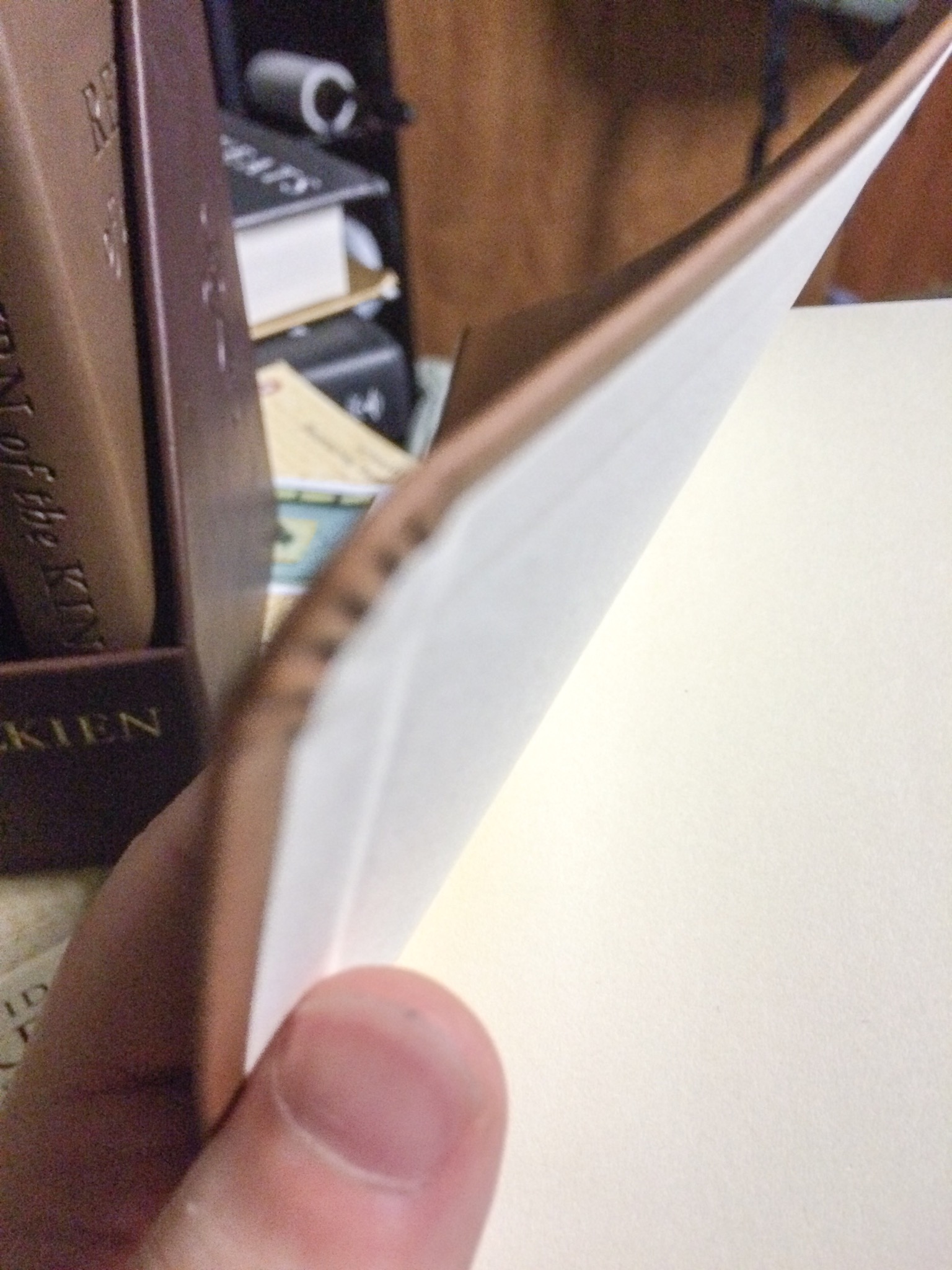
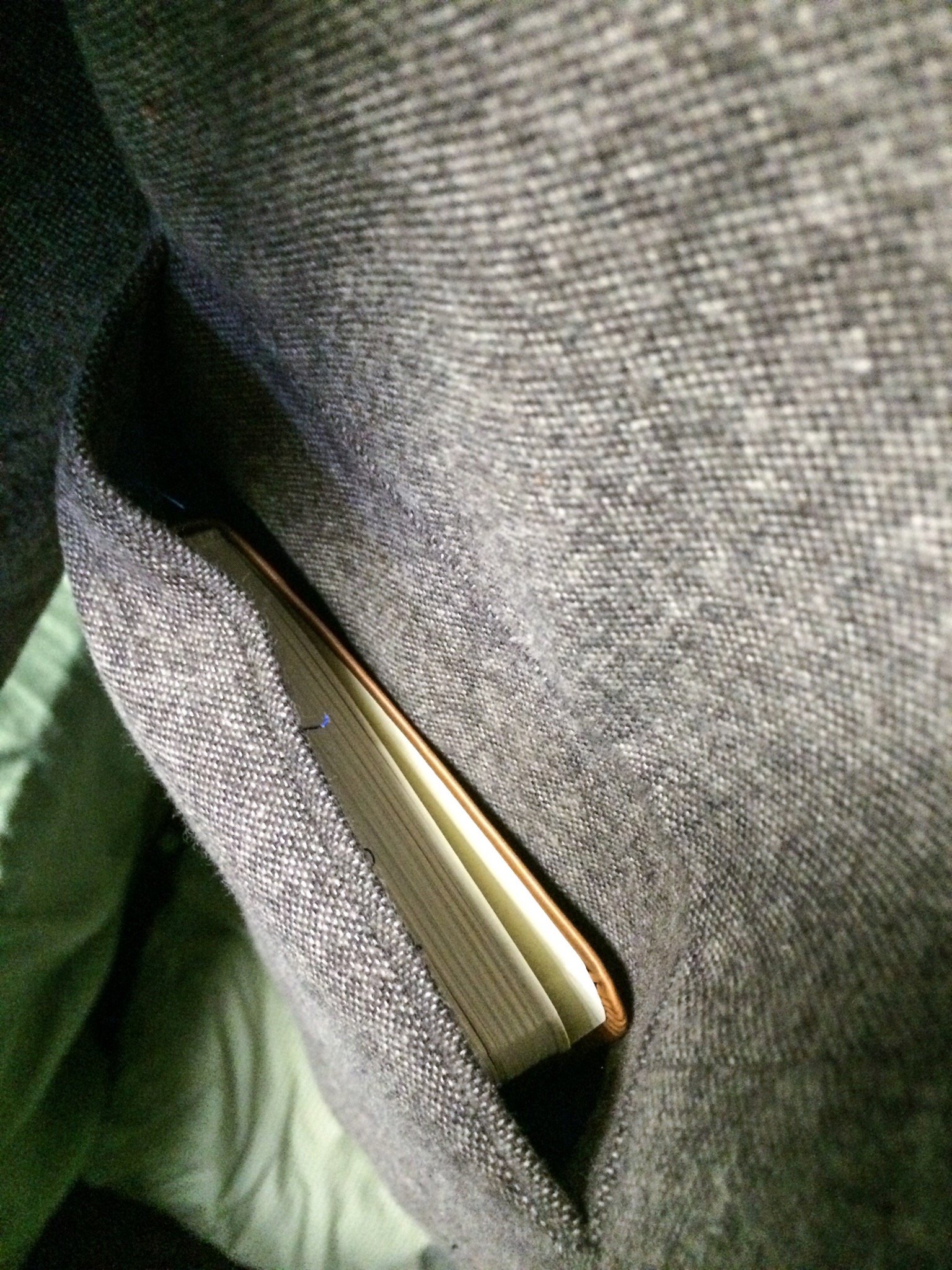
Hobbit sized editions of The Hobbit and The Lord of the Rings.

Yesterday I received in the mail my pocket sized copies of The Hobbit and The Lord of the Rings pictured here:

IMG_1969.JPG
Also here:

IMG_1970.JPG
The outside feels like this faux leather that bends easily like rubber but seems like it could take a lot of abuse.

IMG_1978.JPG
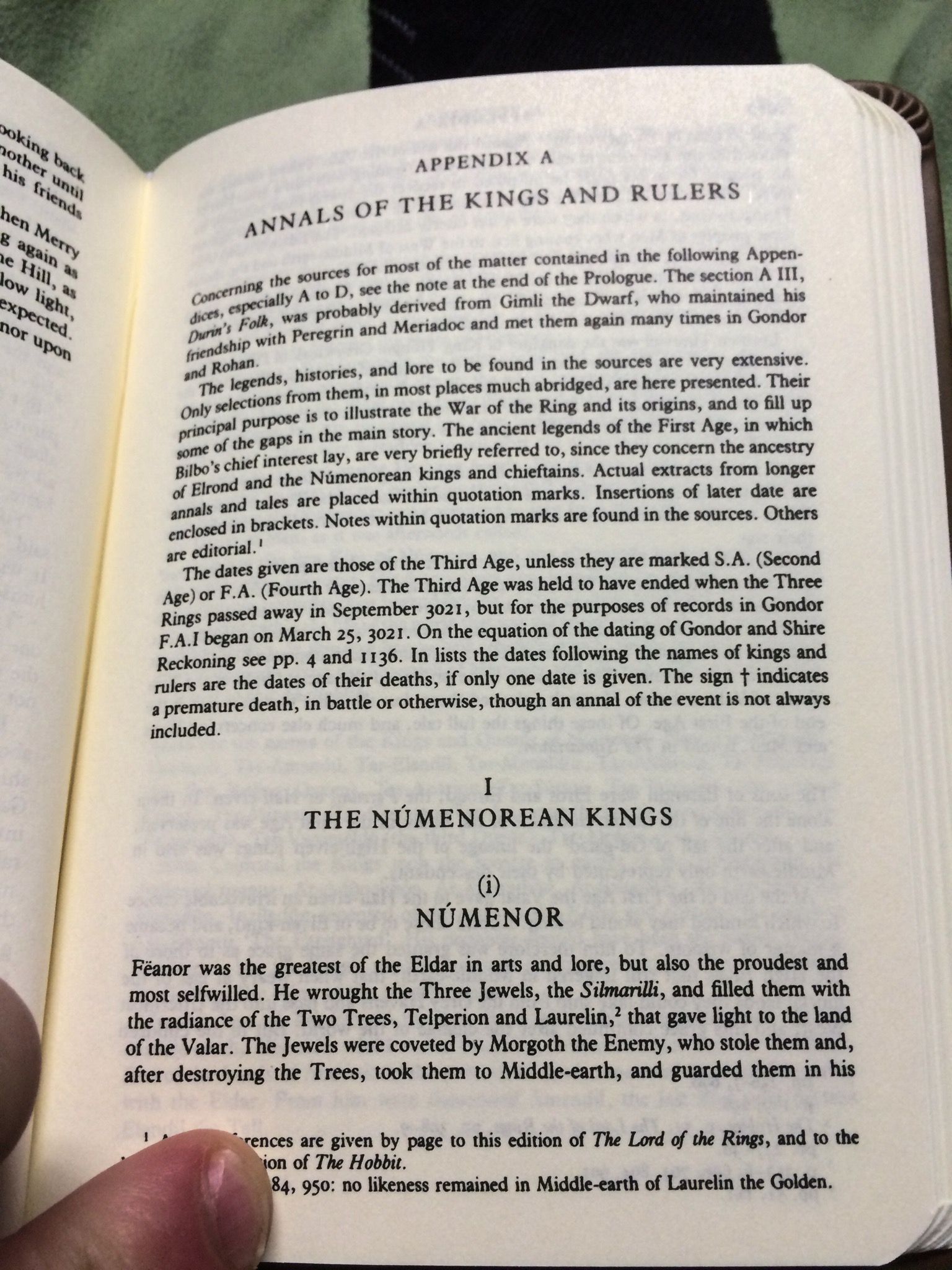
Since they are pocket sized of course the writing is small but the type is equal to any hardcover or paperback edition. In fact, it looks almost exactly the same like they were originally larger and went through a shrink ray.

IMG_1977.JPG

In fact, I was surprised to find The Return of the King still included the appendices and the index.

IMG_1980.JPG

IMG_1982.JPG

As far as fitting into my pocket is concerned, it fits about as well as an iPhone 6+. They’re definitely not meant for small pockets or tight jeans but fit nicely in the pockets of my coats, sports coats and blazers.

IMG_1975.JPG

IMG_1976.JPG

They’re a nice edition to my collection and I plan on annotating them to death. If you’re buying these books for the first time though I don’t suggest them.

The Magic of Middle-Earth is Unexplainable, Nor Should It Be.

For this is what your folk would call magic. I believe; though I do not understand clearly what they mean; and they seem also to use the same word of the deceits of the Enemy – Galadriel


“Faerie itself may perhaps most nearly be translated by Magic—but it is magic of a peculiar mood and power, at the furthest pole from the vulgar devices of the laborious, scientific, magician. There is one proviso : if there is any satire present in the tale, one thing must not be made fun of, the magic itself. That must in that story be taken seriously, neither laughed at nor explained away.” – J.R.R. Tolkien, On Fairy Stories.

This video has been gaining traction today detailing how Legolas could not really see as far as he claims according to the laws of physics. This is a common occurrence when it comes to the fantastical things in Tolkien’s Legendarium. The problem is that Tolkien’s magic cannot be explained using a set of rules. It is more mythical and mysterious like the folk tales of Anglo-Saxon, of Norse sagas, Arthurian romance and probably the Old Testament.

I can’t believe I have to explain this but magic isn’t science, it doesn’t have to be explained. It can be, and that can be fun too. Brandon Sanderson is known for his magic systems. He even has what he calls Sanderson’s Laws for his series of rules when creating magic systems. Patrick Rothfuss goes to painstaking details to create rules for his magic system. Then comes naming. Naming cannot be explained like love, humor or music yet no one gives Rothfuss any guff trying to explain the rules of naming.

My point is you can have a magic system in a fantasy book that does not have rules and the work of J.R.R. Tolkien is a prime example. The problem is that “magic” in Middle-Earth is what men and hobbits calls thing they cannot explain leading to reactions like the Galadriel quote above. “Magic” is part of Arda (the earth) itself and the elves are connected permanently to Arda. What we as readers such as men and hobbit may see as magic the elves see as a natural part of their skills and their very being. It is more of a divine power with few explanations to how it really works.

Here is where critics start throwing out words like Deus ex machina without fully understanding what it means. What makes Tolkien’s works have that mythical feeling about them is that there are aspects that cannot be explained such as the elves, the wizards, Balrogs and beings like Sauron.

Partially to blame is Hollywood, Peter Jackson’s The Lord of the Rings trilogy and films in general. Those are visual mediums, as such they need visuals to convey what is going on. The problem is magics is not all visual in any of Tolkien’s books. While the film showed forcefields and battles of light coming from his staff and slashes of his sword versus the Balrogs swipes and cracks of his whip the fight in the books is more of a battle of wills, a battle of power between to divine beings that we cannot see with barely any swordplay.

The Balrog reached the bridge. Gandalf stood in the middle of the span, leaning on the staff in his left hand, but in his other hand Glamdring gleamed, cold and white. His enemy halted again, facing him, and the shadow about it reached out like two vast wings. It raised the whip, and the thongs whined and cracked. Fire came from its nostrils. But Gandalf stood firm.
‘You cannot pass,’ he said. The orcs stood still, and a dead silence fell. ‘I am a servant of the Secret Fire, wielder of the flame of Anor. You cannot pass. The dark fire will not avail you, flame of Udûn. Go back to the Shadow! You cannot pass.’
The Balrog made no answer. The fire in it seemed to die, but the darkness grew. It stepped forward slowly onto the bridge, and suddenly it drew itself up to a great height, and its wings were spread from wall to wall; but still Gandalf could be seen, glimmering in the gloom; he seemed small, and altogether alone: grey and bent, like a wizened tree before the onset of a storm.
From out of the shadow a red sword leaped flaming.
Glamdring glittered white in answer.
There was a ringing clash and a stab of white fire. The Balrog fell back and its sword flew up in molten fragments. The wizard swayed on the bridge, stepped back a pace, and then again stood still.
‘You cannot pass!’ he said.
With a bound the Balrog leaped full upon the bridge. Its whip whirled and hissed.

Neil Gaiman has a great quote about magic in film when talking about the film adaptation of A Winter’s Tale which by the way is a terrible movie mostly despite his warm review of it.

There’s a thing that happens in Hollywood, when you hand in a script with magic in it, and the people at the studio who read it say “We don’t quite understand… can you explain the rules? What are the rules here? The magic must have rules” and sometimes when they say that to me I explain that I am sure it does, just as life has rules, but they didn’t give me a rule book to life when I was born, and I’ve been trying to figure it out as I go along, and I am sure it is the same thing for magic; and sometimes I explain that, yes, the magic has rules, and if they read again carefully they can figure out what they are; and sometimes I sigh and put in a line here and a line there that spells things out, says, YES THESE ARE THE RULES YOU DON’T ACTUALLY HAVE TO PAY ATTENTION and then everyone is very happy. 

I understand, I really do. It seems frustrating because we live in a world of science that strives to explain how the universe works and that can be beautiful but Middle-Earth isn’t our world. It is a epic myth such a The Odyssey, The Prose Edda, The Arthurian Legends and Beowulf. The problem is people still come along and try to explain it or disprove parts of it.

The other problem that pertains to the video about Legolas’s eyes is the perceptions that elves are just some kind of different humanoid type species. Elves are preternatural beings, outside the rules of nature yet also connected to nature itself. This comes from the Tolkien Gateway entry on elves under arts, crafts, powers and magic.

Other races often spoke of ‘Elf magic’, or of objects made by Elves as if they contained enchantments. It is unclear how accurate it is to call Elvish arts and crafts ‘magic’ or ‘enchanted’. Elves themselves only used these words when attempting to simplify or clarify how elvish-made things seemed to have a special quality that no other races were able to achieve. Powerful Elves seemed to have control over nature and the elements, their clothes seemed to shine with their own light, their blades seemed to never lose their sharpness. Less educated folks couldn’t explain these effects, so they simply called them ‘magic’. However, each race had their own special abilities that seemed incomprehensible to others. Hobbits had a seemingly supernatural ability to hide when they wished to remain unseen. Dwarves were unmatched in the art of mining and building halls underground. Wizards had such wisdom and knowledge of the world and all things in it that they appeared to have mystical powers. To each of these races, what they did had nothing to do with magic, it was just how they did things. It may have been so too with Elves. Whether there was any kind of mystical energy involved in the things Elves made can never be proved or disproved.

N.K. Jemisin who wrote the Inheritance trilogy wrote this great article for io9.com just on the subject of magic and rules titled Why does magic need so many rules? In it she makes a connection of what might be the blame for why modern fantasy readers and viewers need rules for magic in Dungeon and Dragons which has rules clearly defined using systems of numbers. Why stop there though? What about video games which also when it comes to magic has a system in place for how magic can be done but Jemisin argues…

It’s supposed to go places science can’t, defy logic, wink at technology, fill us all with the sensawunda that comes of gazing upon a fictional world and seeing something truly different from our own. In most cultures of the world, magic is intimately connected with beliefs regarding life and death – things no one understands, and few expect to. Magic is the motile force of God, or gods. It’s the breath of the earth, the non-meat by-product of existence, that thing that happens when a tree falls in the forest and there’s no one around to hear it. Magic is the mysteries, into which not everyone is so lucky, or unlucky, as to be initiated. It can be affected by belief, the whims of the unseen, harsh language. And it is not…


In LotR, sometimes magic meant forging a ring with a chunk of soul melted into the alloy. Sometimes it meant learning obscure/dead languages, or talking to obscure/dead creatures. Sometimes it meant brandishing a particular kind of stick in a particular kind of way, and shouting really loudly. Sometimes it meant being born with pointy ears, and sometimes resisting magic meant being born with hairy feet. It was organic, embedded, a total crapshoot. And it was wonderful.


The point is, magic can have a system of rules such as Brandon Sanderson’s Mistborn series or Patrick Rothfuss’s Kingkiller Chronicles, hell, my own fiction has a system of magic but quit trying to find fault in Tolkien’s magic system because magic doesn’t always need so many rules.